Artists in Residence: October 2026
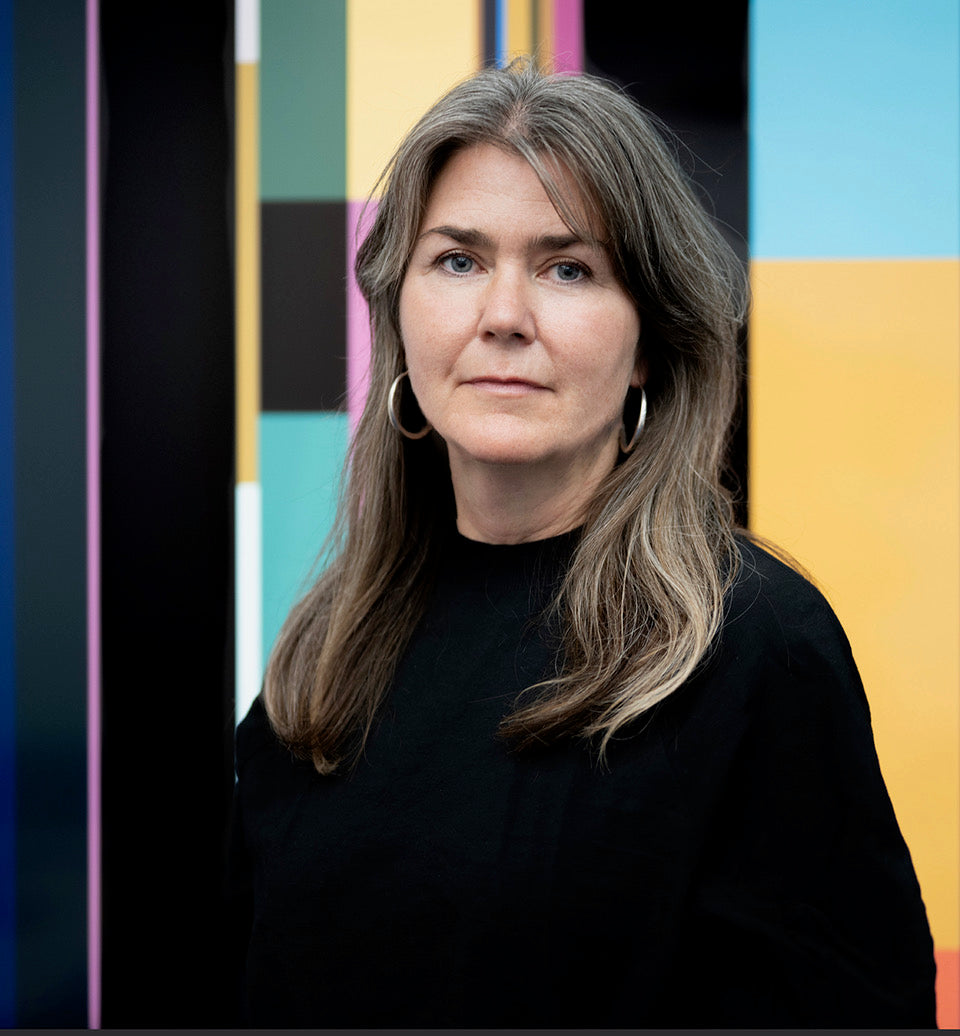
Katarina Löfström
Katarina Löfström (1972, Sweden) works across video, sculpture, and installation to explore perception, light, and the tension between materiality and illusion. Drawing on visual languages ranging from digital aesthetics to mysticism and modernist abstraction, her works often evoke hypnotic, contemplative states—blending sensory immediacy with conceptual depth. A recurring concern in her practice is visual art’s capacity to break free from habitual patterns of thought and behavior, opening space for alternative modes of perception.
With early works rooted in moving image and a sustained interest in animation, Löfström’s practice also draws on her early experience in commercial film and music video production, where she collaborated with director Jonas Åkerlund on projects for artists such as Madonna, Prodigy, and Moby. These influences continue to inform her sensitivity to rhythm, visual composition, and sound.
Sculptural forms and site-sensitive interventions play a larger role in Löfström’s recent work, engaging scale, rhythm, and spatial awareness. Since the turn of the millennium, her work has been shown widely in galleries and institutions, including Moderna Museet, Stockholm; Thielska Galleriet, Stockholm; Bohusläns Museum; Södertälje Konsthall; Index, Stockholm; Norrköpings Konstmuseum; Malmö Konsthall; and Uppsala Konstmuseum. She is currently working on several public commissions.
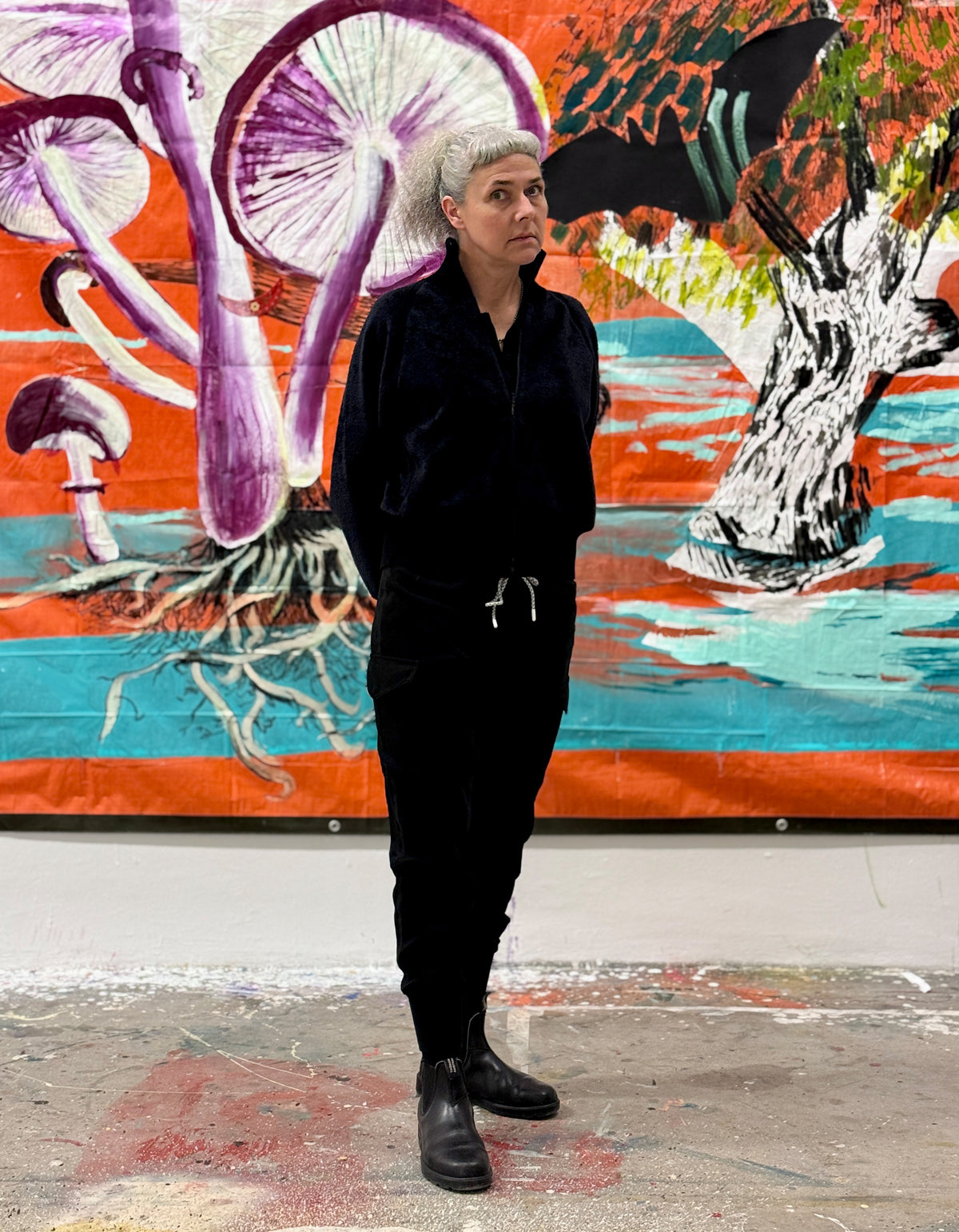
Helga Schmidhuber
Helga Schmidhuber (*1972, Wiesbaden) studied Communication Design at RheinMain University of Applied Sciences before enrolling at the Düsseldorf Art Academy in 1999 to study Fine Arts. From 2000 to 2002, she studied with Prof. Dieter Krieg and subsequently with Prof. Albert Oehlen, graduating in 2004 as Oehlen’s master student.
In 2005/06, Schmidhuber taught “Artistic Graphics” at RheinMain University of Applied Sciences. Since 2006, she has participated in numerous artist residencies, working in Austria, Iceland, Canada and Spain.
Her work has been exhibited internationally at institutions including Hamburger Kunsthalle (DE), CCA Kunsthalle, Andratx (ES), Museum Wiesbaden (DE), Museum Villa Rot (DE), Frankfurter Kunstverein (DE) and Nassauischer Kunstverein (DE).
Schmidhuber has received the Markus-Lüpertz-Prize and the Max-Ernst-Stipendium. In 2020, she was awarded the Hans-Platschek-Prize for Art and Writing.
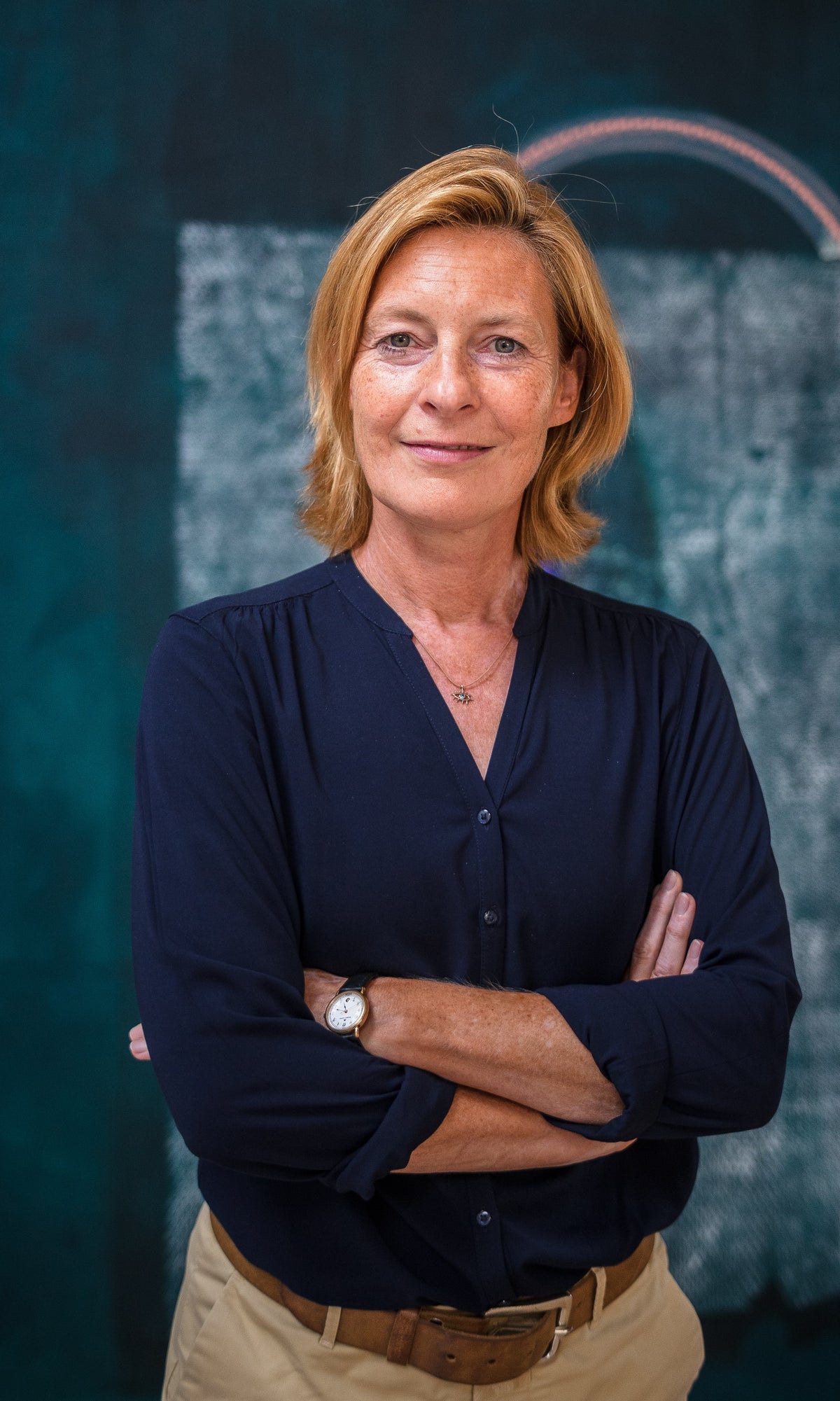
Stephanie Pech
Stephanie Pech (b. 1968) lives and works in Bonn, Germany. She studied at the Academy of Fine Arts Münster and graduated in 1995. She has received several awards and scholarships, including the Transfer NRW–Israel Travel Grant from the Cultural Secretariat of North Rhine-Westphalia in 2002 and the CityARTists Award in 2021. She is currently nominated for the Paula
Modersohn-Becker Art Prize.
Her work has been exhibited extensively at leading institutions, including Kunstmuseum Bonn (GER), Israel Museum, Jerusalem (ISR), Herzliya Museum of Contemporary Art (ISR), Kunsthalle Bielefeld (GER), Osthaus Museum Hagen (GER), Große Kunstschau Worpswede (GER), Museum Sinclair-Haus, Bad Homburg (GER), Kunsthaus NRW Kornelimünster, Aachen (GER), and Museum am Ostwall, Dortmund (GER).
Works by Stephanie Pech are represented in numerous public collections, including Kunstmuseum Bonn, Osthaus Museum Hagen, the Art Collection of North Rhine-Westphalia, Aachen, the German Federal Foreign Office, and the Hypo Cultural Foundation, Munich.
Stephanie Pech's paintings navigate the space between chance and composition, figuration and abstraction. Her work dissolves fixed boundaries between bodies, identities, and realities, creating uncanny image worlds that propose alternative forms of togetherness.
Conceiving the human being as part of a complex network of relationships rather than an isolated subject, Pech explores the tension between physical presence and latent unease. Shifts in perspective draw viewers into a direct encounter with the image, while shadows emerge as autonomous elements that blur the distinction between object and apparition.
Moving between the visible and the indeterminate, her paintings open spaces of ambiguity in which new forms of perception and connection can emerge.
Bianca Kennedy
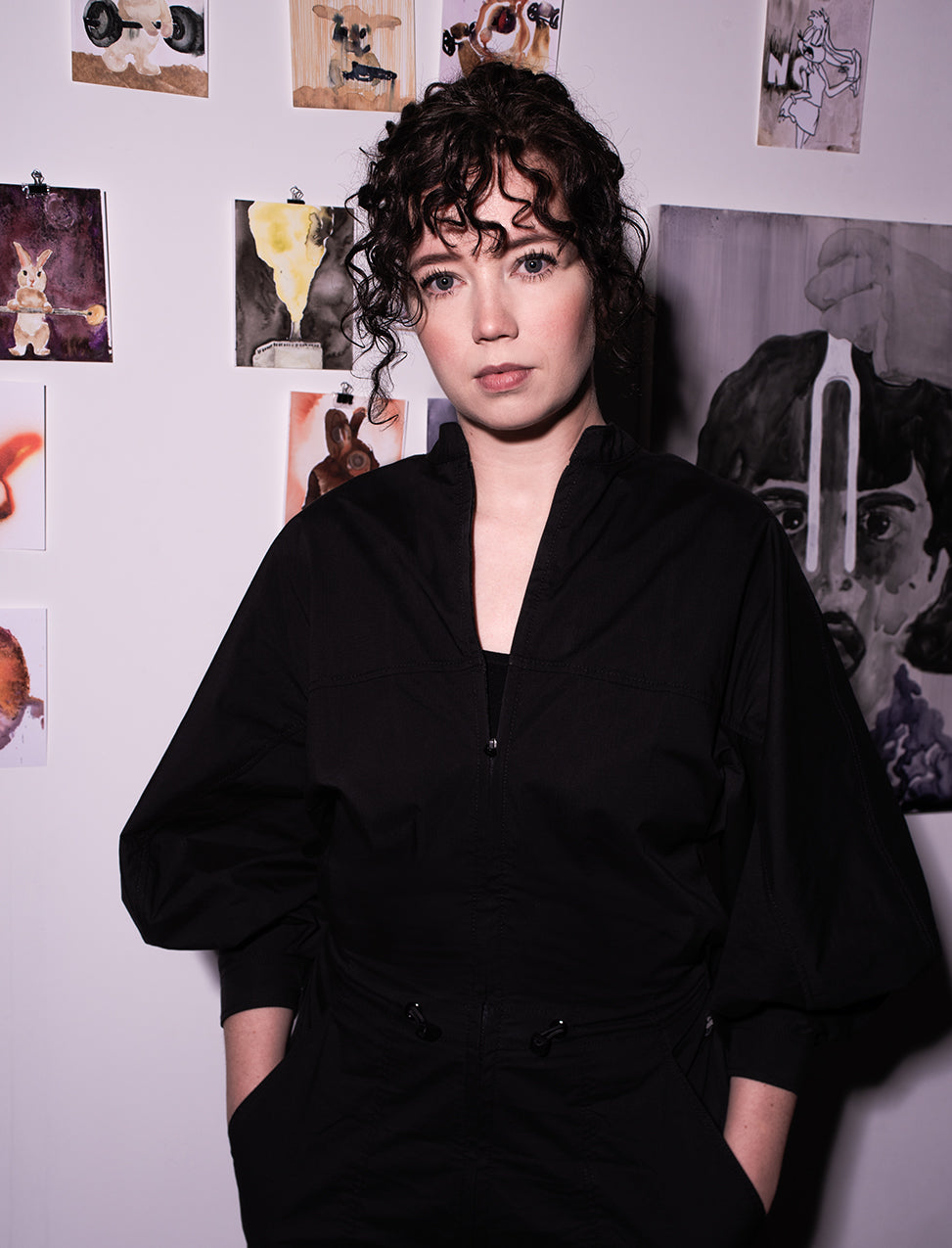
Bianca Kennedy (b. 1989, Leipzig) lives and works in Berlin. She has shown in museums and festivals internationally. Recent exhibitions include those at HEK Basel, Gropius Bau Berlin, SCAD Museum of Art , Gallery Krinzinger Vienna, Kunsthalle Baden-Baden, Haus der Kulturen der Welt, CCBB Rio de Janeiro, and Sundance Film Festival, among others. She is the winner of the LOOP Discover Award and won the TOY Berlin Masters Award.
Using a range of mediums, including animation, video, virtual reality, found footage, and drawing, Bianca Kennedy explores everyday relationships and routines, reflecting on human behaviour, social norms, and expectations. In recent years, Kennedy’s artistic focus has been on physical withdrawal, creating a series that examines the theatrics of bathing and the cultural coding of the unprotected, naked body. Through her works, she uncovers conflicts that exist within power dynamics and identity politics, and how they intersect within categories such as class, gender, privacy, and public space. Currently, Kennedy’s work is centred around personal protest, featuring individuals who have grown disillusioned with the world and turned their anger inward.