
Artists in Residence: July 2026
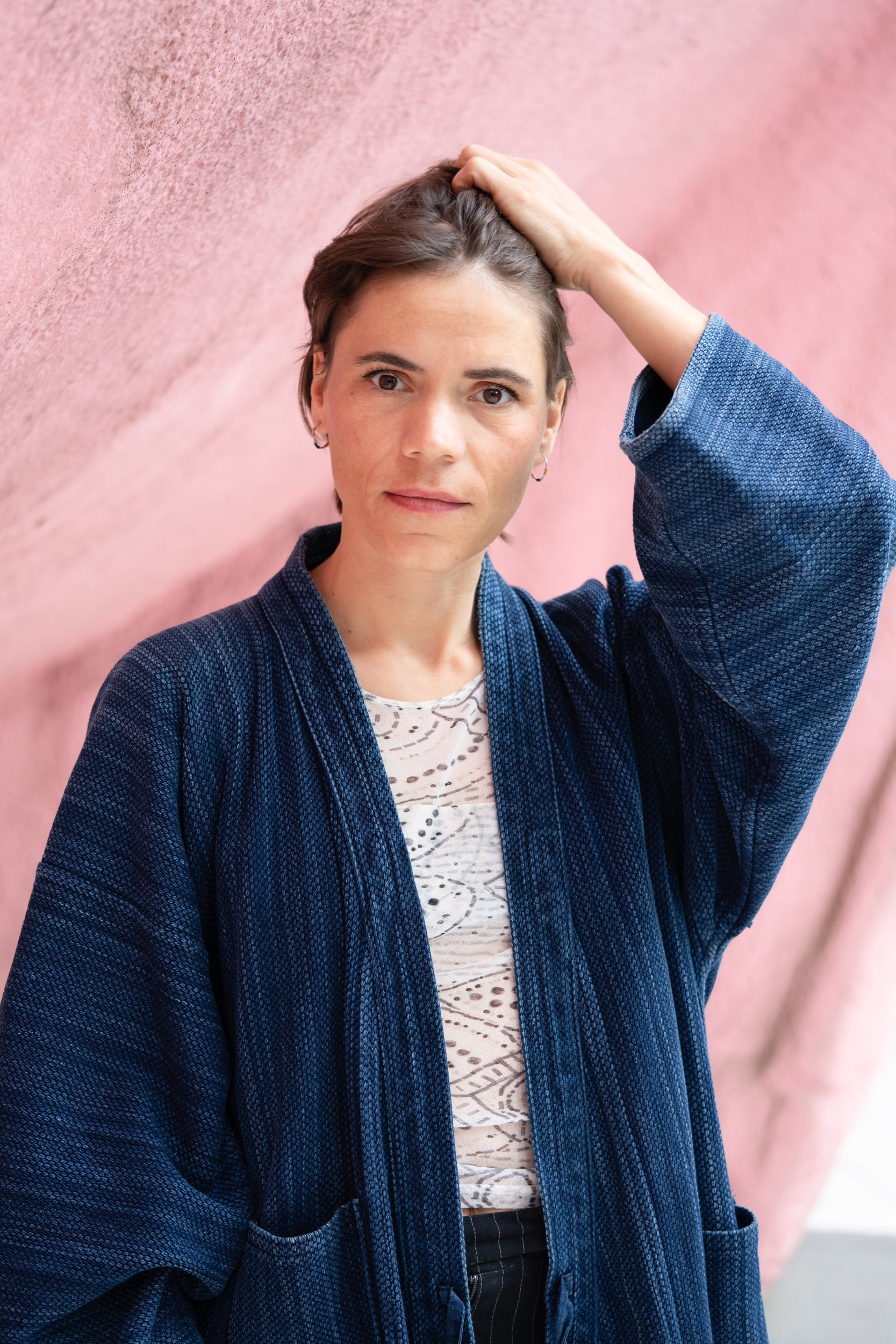
Marei Loellmann
Marei Loellmann is an artist working with textile works, sculpture, and installation. Her practice is time-based and relational, connecting body, place, and material through processes that emerge in direct exchange with specific environments. Soil, river sediment, and ash sourced from post-industrial landscapes, are applied to fabric through slow, repetitive and durational processes of dyeing, soaking, and wrapping. Concrete surfaces are interwoven with textile elements. In her practice, Marei Loellmann understands material not only as form but as agents of memory and testimony, witnessing historical processes, ecologies of slow violence, and imprints of human labor.
As porous surfaces that register traces of lived experience and environmental transformation in relation to place, her work reflects the simultaneity of decay and renewal across geological and historical time. Her work has been presented in diverse contexts, including at MuseumsQuartier Vienna, Galerie Bernau, Brücke Museum (Berlin), Haus der Kulturen der Welt (Berlin), Kunstraum Kreuzberg (Berlin), Galerie im Körnerpark (Berlin), Galerie Gosserez (Paris), and as part of the Festival of Future Nows at the Neue Nationalgalerie (Berlin). Marei Loellmann studied at the Weißensee Academy of Art Berlin and at the Willem de Kooning Academy in Rotterdam. She lives and works in Berlin.
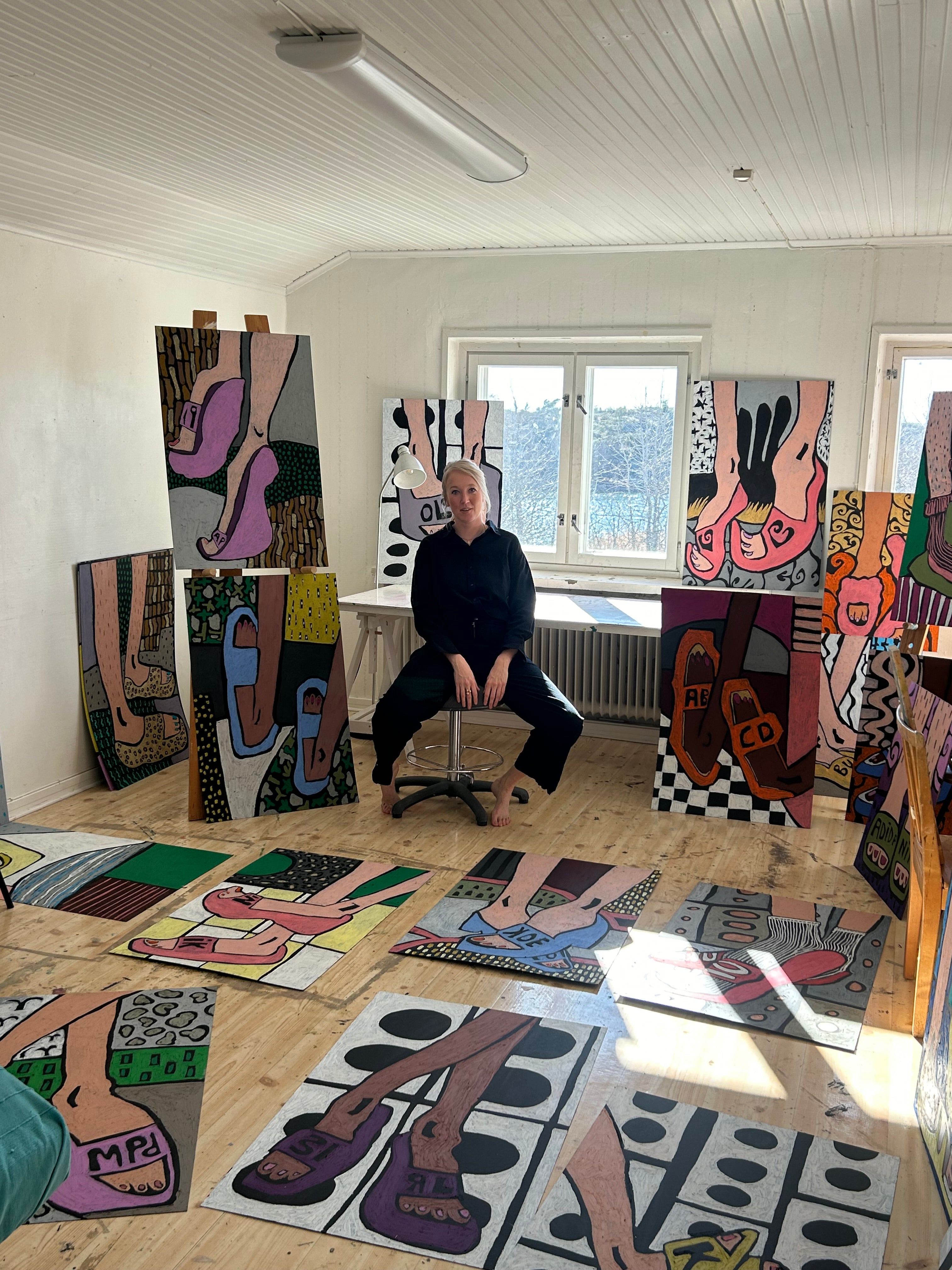
Verena Issel
Verena Issel was born in 1982 and is half Norwegian, half German. She studied Fine Arts at HfBK Hamburg (Germany), Faculdade de Belas Artes Lisboa (Portugal) and China Art Academy Hangzhou (China) and Classical Philology (Latin and Greek) at the University of Hamburg. She has exhibited at Manifesta 2026, Kunsthalle Mannheim (Germany), Volksbühne Berlin (Germany), Museum Lothar Fischer C.A.P. Kobe (Japan), Museo Pumapungo (Ecuador), SEMA Nanji Seoul (South Korea), KOOSHK, Teheran (Iran), Kunstpalais Erlangen (Germany) Westfälischer Kunstverein Münster (Germany), Zarya Vladivostok (Russia), Si:Said Gallery Klaipeda( Lithuania), TRAFO KUNSTHALL Asker( Norway) and many more. Verena had residencies in Taiwan, Finnland, Spain, China, Lithuania, South Korea, Russia, Japan, Germany, Papua New Guinnea and more.
Verena Issel is a professor of Fine Arts at the university BTU Cottbus-Senftenberg. She lives and works in Berlin, Germany.
“I do Installations. These installations consists of groups of objects which are circling around one specific issue or theme. The chosen issue or theme is a starting point for making various objects like sculptures, collages, drawings and assemblages, sometimes even photographies or videos. I start researching about the topic and simultaneously creating these objects out of various materials, everything from paper to plastic and metal. To me, the heterogeneity of material and themes is a logical analogy to the complexity of our modern times. I create object groups which are like families, they can be seen as single objects, but they are also a member of a bigger group and might appear in room installations.” – Verena Issel
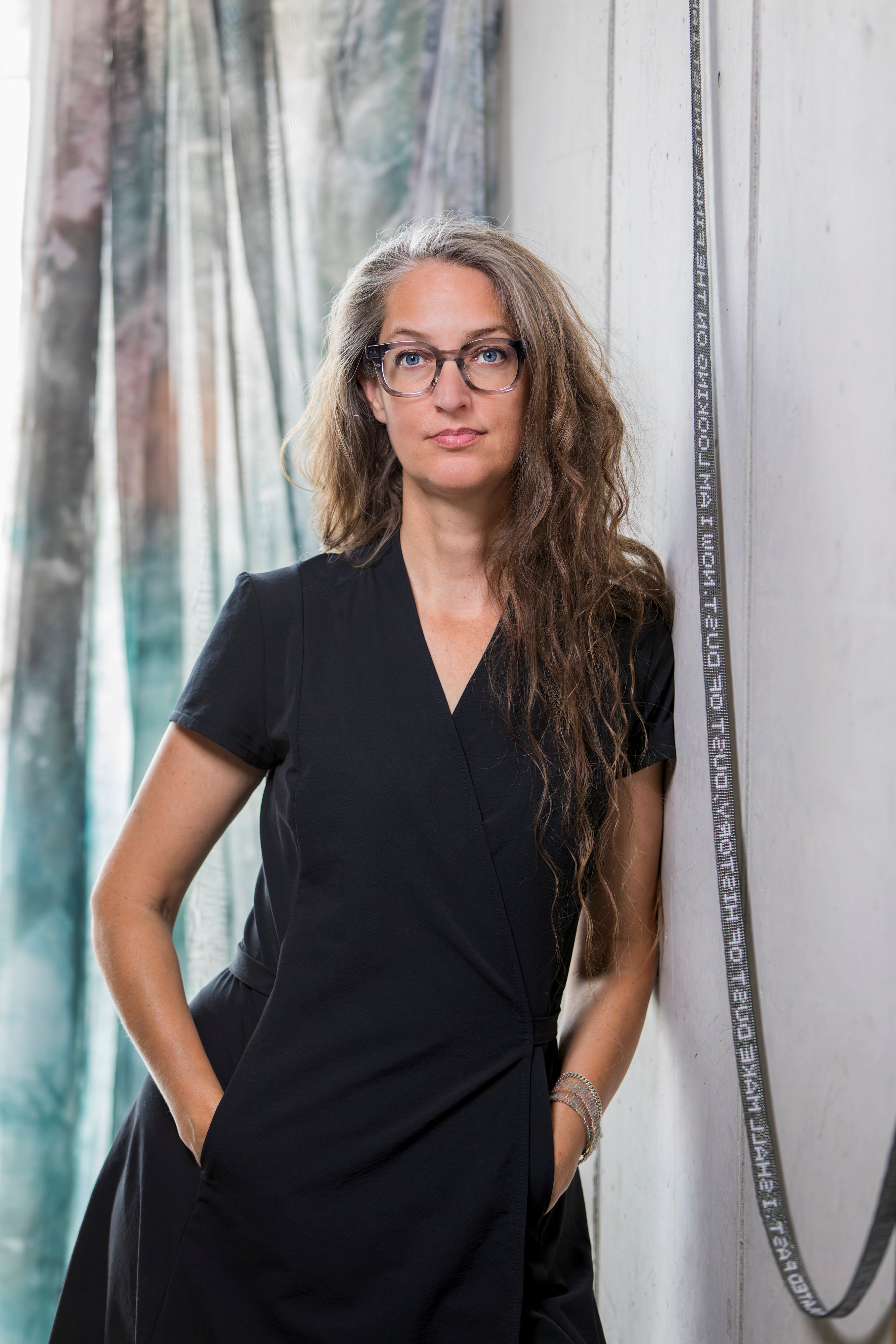
Franziska Furter
Franziska Furter (*1972 in Zurich, lives and works in Basel) started her career as a draftswoman. The genre of drawing is still close to her but complemented over the years by sculptural work and installations. In her shows she develops constantly new groups of works. She always works meticulously: Like a researcher she experiments and expands her image making and invents objects. In her works she remains always tangible as an acting person. Art is for her the process of making, a credo she shares with the conceptual artist Marcel Duchamp. Franziska Furter often creates in her exhibition installations, captivating the viewer through their precise disposition of different groups of works in manifold material. All works broach the issues of perception of time and play with the criteria of planning, concept and coincidence. Her exhibitions reveal an œuvre constantly growing with unexcited consistency, with humour and precision. Within a clearly defined system Franziska Furter creates works of great forcefulness and poetry, offering in her shows to the viewer a variety of associations and emotions.
Franziska Furter’s work has been shown in many solo and group exhibitions in Europe. Her works are in the following public collections Kupferstichkabinett, Kunstmuseum Basel; Aargauer Kunsthaus, Aarau; Museum of Modern Art, New York and in many private and corporate collections amongst others Zurich Cantonal Bank; Collection of the Deutsche Bank, Zurich and Frankfurt a/M; Credit Suisse Collection; UBS Art Collection; Bank Bär Collection; Roche Collection, Basel; Mobiliar and Helvetia insurance Collection and many others.
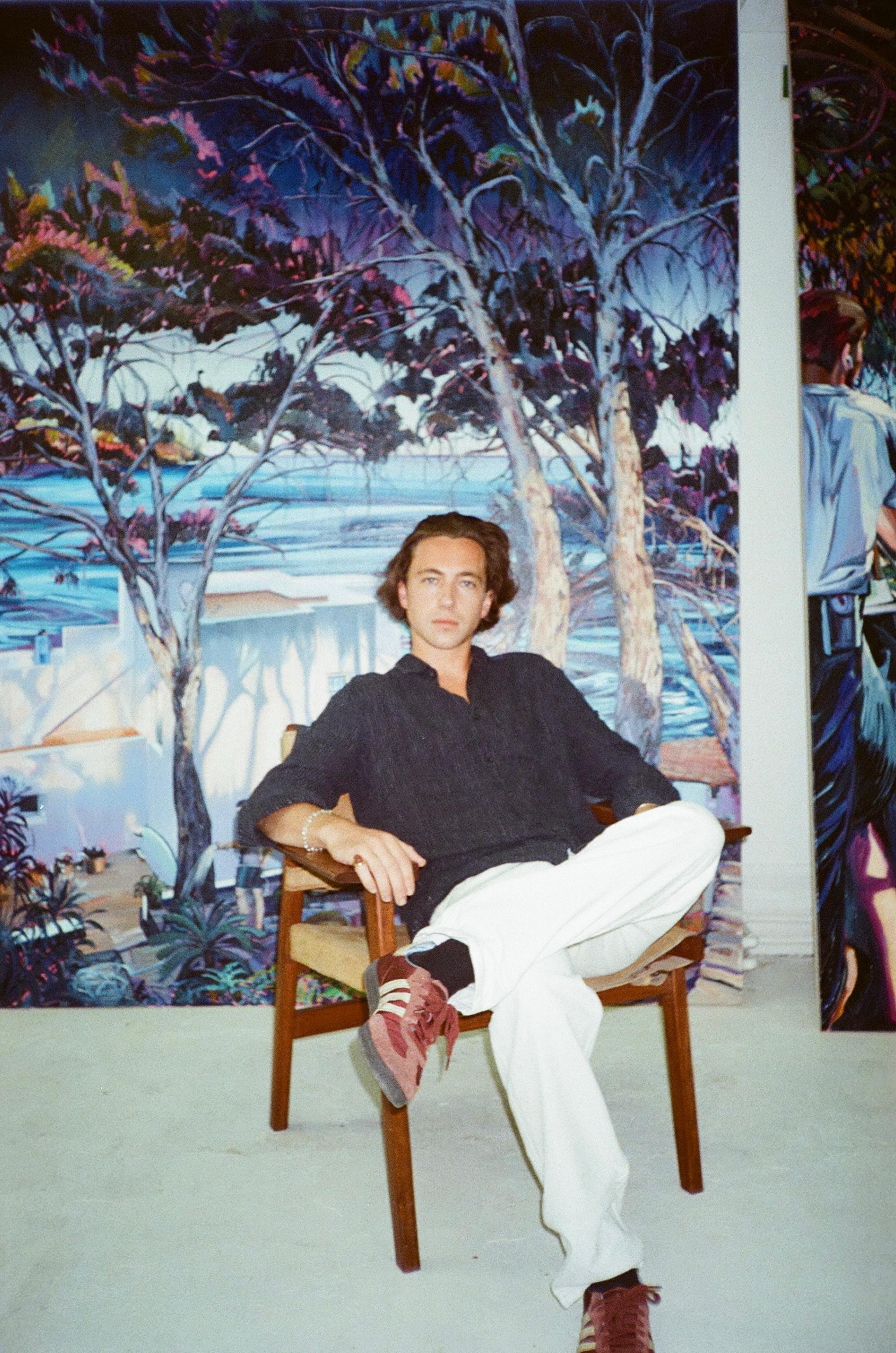
Rex Southwick
Rex Southwick is a British contemporary painter based in London. His practice is rooted in architecture and narrative, with a particular focus on the blue-collar labor that underpins sites of luxury. Through his work, Southwick highlights the construction, maintenance, and everyday realities that exist beneath some of the world’s most iconic environments, drawing attention to the often-unseen systems and individuals that sustain them.
Working through a research-led approach, Southwick develops carefully curated imagery shaped by sustained time spent on site, often during residencies or extended periods of travel. This process allows him to build a nuanced visual language that moves between representation and atmosphere, capturing both the physical structures and the social dynamics embedded within them.
His recent series, Topia, was developed during a residency at the Palm Springs Art Museum, where he explored mid-century modern architecture alongside the labor required to maintain these celebrated homes. The work not only examined Palm Springs’ architectural history but also engaged with broader questions of environmental change and shifting desert ecologies. Paintings from this series have been acquired by the Institute of Contemporary Art Miami, the Palm Springs Art Museum, and the Museum of Contemporary Art San Diego.
Over the past two years, Southwick has continued this line of inquiry through a body of work focused on the architecture of the south of France, including a residency at Dragon Hill, a Jacques Couëlle house in Mouans-Sartoux near Cannes. His exhibition, To Desitartion—titled after Dorothea Tanning’s Éperdument, examined the often-overlooked legacy of Couëlle and other mid-century architects of the Côte d’Azur. The project emerged from a wider interest in the region’s enduring artistic significance, approaching it not as a site of escapism, but as one of complexity, depth, and ongoing cultural relevance.
Monaco has also become an important reference point within Southwick’s practice. Spending extended time observing, photographing, and absorbing its distinct atmosphere, he is drawn to its unique concentration of wealth, labor, tradition, and spectacle. Its compact geography allows these relationships to coexist with unusual clarity, offering a dense and layered architectural landscape that spans historic structures, mid-century modernism, and contemporary development.
Across his work, Southwick explores how environments are built, maintained, and continuously reshaped over time. Yachts, architecture, and infrastructure appear as interconnected subjects through which broader questions of visibility, labor, and luxury can be examined. His paintings seek to reflect the complexity, tension, and lived experience of place, continuing an ongoing investigation into the relationship between architecture and the systems that sustain it.